


Quick Summary
Buying Yopo responsibly begins with a lawful purpose and accurate botanical identification. Look for the scientific name Anadenanthera peregrina, clear collection-only labeling, transparent sourcing, protective packaging, and direct warnings against ingestion. A trustworthy seller should explain shipping restrictions plainly, avoid medical or sensational claims, and give buyers enough information to store the specimen safely. Quality is about documentation and integrity—not coded promises or hype.
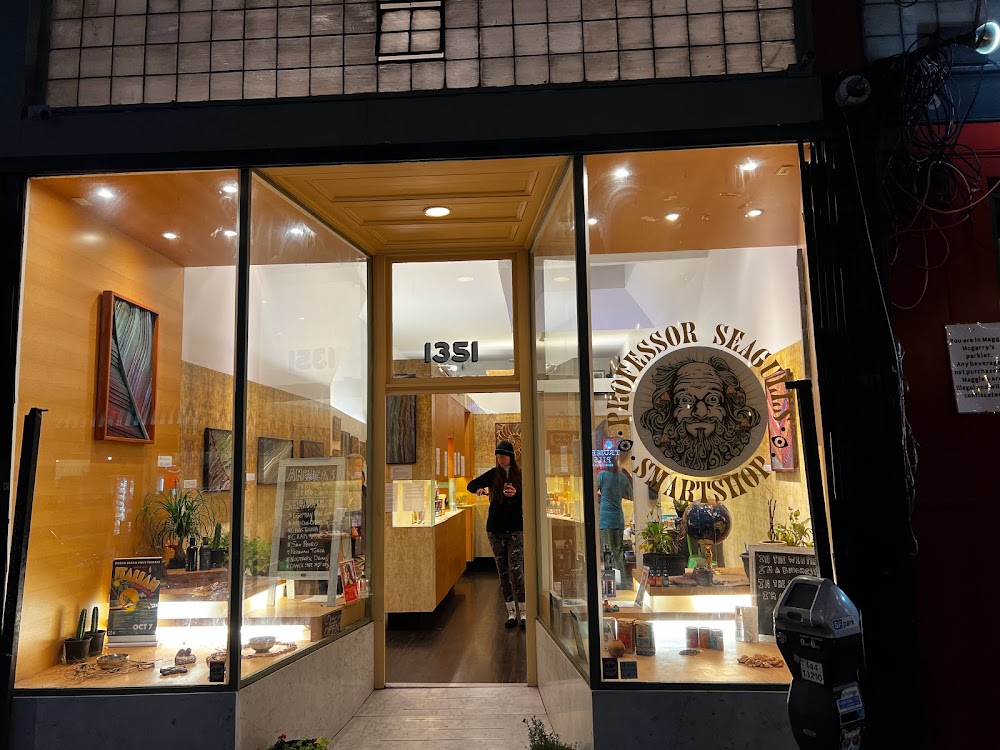
Learning how to buy yopo seeds responsibly is less about chasing the cheapest listing and more about verifying identity, purpose, and seller integrity. Yopo, or Anadenanthera peregrina, carries a complex ethnobotanical history. At Professor Seagull’s Smartshop & Gallery, we offer it as a botanical sample for collection, education, contemplation, and cultural study – not for ingestion, extraction, or casual experimentation.
Begin With a Lawful, Clearly Defined Purpose
Before comparing sellers, decide why the specimen belongs in your collection. Appropriate purposes may include botanical reference, ethnobotanical study, educational display, cultural research, or documented contemplation. A defined purpose helps you evaluate the product description and keeps the purchase within clear safety boundaries.
Avoid listings that use euphemisms, covert instructions, or promises of intense experiences. A serious botanical seller should not make you decode the intended use. The product’s classification and restrictions should be direct.
Confirm the Scientific Name
The listing should identify the species as Anadenanthera peregrina. “Yopo” is a useful common name, but common names can overlap or vary by region. The scientific name gives collectors a more dependable reference point and reduces the risk of receiving a related or incorrectly labeled species.
Check that the name appears consistently on the product page, packaging, and invoice. Spelling mistakes alone do not prove that a product is inauthentic, but repeated inconsistencies can indicate weak botanical knowledge or careless inventory practices.
Look for Transparent Product Information
Intended Use and Warnings
A high-quality listing should say what the product is for and what it is not for. For Yopo, responsible labeling should identify the seeds as a collection or educational item and state that they are not intended for human consumption. The seller should not offer dosing, preparation, extraction, or medical guidance.
Quantity and Packaging
The product page should state the quantity clearly, using weight or another practical measurement. Packaging should protect the seeds from moisture, contamination, and accidental mixing with food or ordinary garden supplies. After delivery, the original warning label should remain attached to the specimen.
Sourcing and Identification Practices
A seller does not need to reveal every private supplier relationship, but it should demonstrate respect for accurate identification and responsible sourcing. Statements about cultural origin should be careful and specific rather than sensational. Quality descriptions acknowledge the plant’s history without using Indigenous traditions as decorative sales copy.
Evaluate the Seller, Not Just the Seeds
Review the broader catalog and how the business describes its live plants and seeds. Consistent naming, readable warnings, clear categories, and straightforward policies indicate that the seller treats botanicals as more than anonymous inventory. A physical location, visible team, educational mission, and established customer feedback can add useful context.
Be cautious when a seller makes guaranteed potency claims, promises medical benefits, or avoids discussing restrictions. Ethical boundaries are not a sign of poor service. They are evidence that the business understands the difference between education and reckless promotion.
Check Legal and Shipping Rules Before Paying
Laws and shipping restrictions can vary by state and locality, and agricultural rules may apply to certain seeds. Read the seller’s shipping and product FAQ before ordering. Confirm that the business ships to your location, uses tracking, explains delivery timing, and blocks restricted orders where required.
Do not assume that federal availability means identical treatment everywhere. Buyers remain responsible for checking current local rules before ordering, possessing, transferring, displaying, or attempting to cultivate ethnobotanical material.
Compare Value Without Choosing on Price Alone
The lowest price is not automatically the best value. Poor labeling, damaged packaging, uncertain identity, or missing restrictions can make a cheap purchase expensive in other ways. Compare the quantity, documentation, seller reputation, packaging quality, and shipping terms together.
Bulk options may make sense for established educational collections, but first-time buyers should not purchase more than they can label, store, and manage responsibly. Quantity does not improve the educational value of a poorly documented specimen.
If two listings appear similar, favor the one that explains the product plainly and treats questions seriously. A few extra dollars can be reasonable when they pay for stronger packaging, accurate records, tracked shipping, and responsive customer service. Those details protect both the specimen and the collector’s ability to document its history accurately over time.
Know the Red Flags
Skip listings that hide the scientific name, encourage ingestion, describe extraction, make disease-treatment claims, or imply that legal restrictions can be bypassed. Other warning signs include copied descriptions, unclear package sizes, missing return or shipping information, and sellers who refuse basic questions about identification.
Social media hype is not botanical documentation. Product quality should be judged through accurate labeling, responsible boundaries, transparent policies, and dependable fulfillment—not through coded comments or dramatic testimonials.
Inspect and Store the Seeds After Delivery
When the package arrives, confirm that the item and quantity match the order. Keep the seeds sealed and dry, and retain all identifying labels. Store the specimen away from heat, direct sunlight, food, children, and pets. If the package is damaged or the contents are unclear, contact the seller before handling or transferring them.
Find Yopo Seeds at Professor Seagull’s Smartshop
Adults building a lawful ethnobotanical collection can explore our yopo seeds for sale. Our product page identifies the species, lists available quantities, explains the collection-only purpose, and states clearly that the seeds are not intended for human consumption.
We believe good information should remove mystery where mystery creates risk, so connect with us today for more interesting information and advice!
FAQs
What Name Should Appear on a Yopo Seed Listing?
Look for the botanical name Anadenanthera peregrina alongside the common name Yopo.
What Makes a Yopo Seller Trustworthy?
Clear species identification, collection-only labeling, direct warnings, transparent shipping rules, protective packaging, and an absence of medical or covert-use claims are strong signs.
Can Yopo Seeds Be Shipped Everywhere in the United States?
Restrictions may vary by jurisdiction and can change. Review current state and local rules before ordering, and use a seller that applies location-based shipping controls where required.

 Previous
